
Kansas clergy abuse laws enable individuals to seek civil lawsuits against religious organizations and clerics for sexual or other abuse through the Kansas Sexual Assault and Abuse Act. Compensation includes medical and therapy expenses, lost wages, and emotional distress damages. Strong cases require expert legal guidance from clergy abuse lawyers Kansas, who navigate local laws and time limits, ensuring victims receive tailored advice and support. These attorneys calculate compensation based on harm extent, duration of abuse, financial losses, and liability proof. High-profile settlements encourage more survivors to come forward, emphasizing the crucial role of clery abuse lawyers Kansas in justice and healing.
In the sensitive realm of religious leadership, the issue of clergy abuse has profound implications, often leaving victims with lasting trauma and complex legal landscapes to navigate. Kansas, like many states, grapples with ensuring justice for those harmed by spiritual authorities. The calculation of legal compensation in these cases is intricate, requiring meticulous consideration of factors unique to each scenario. This article delves into the intricate world of clergy abuse lawsuits in Kansas, providing an authoritative guide to understanding the assessments and roles played by clergy abuse lawyers Kansas-based attorneys who specialize in such matters. By exploring these calculations, we aim to empower victims and offer valuable insights into seeking redress.
Understanding Kansas Clergy Abuse Laws and Rights

In Kansas, clergy abuse laws are designed to protect individuals who have suffered harm due to sexual or other forms of abuse by members of the clergy. These laws provide a framework for victims to seek justice and compensation. Understanding these legal rights is crucial for anyone considering legal action against a religious institution or cleric.
Kansas has specific statutes that address clergy abuse, including the Kansas Sexual Assault and Abuse Act, which establishes guidelines for civil lawsuits related to sexual misconduct. Victims of clergy abuse can file suit against the religious organization, its leaders, or both, for negligence, intentional infliction of emotional distress, or other relevant claims. It’s important to note that these cases often involve complex legal and factual issues, making it essential to consult with experienced clergy abuse lawyers Kansas for guidance.
Compensation calculations in such cases can be multifaceted, encompassing medical expenses, therapy costs, lost wages, and non-economic damages like emotional distress. The strength of a victim’s case often hinges on the quality of evidence and testimony. Clergy abuse lawyers Kansas specializing in these matters can help victims navigate the legal process, collect relevant documentation, and present compelling arguments to secure just compensation. For instance, records from medical professionals, counseling sessions, and any internal church documents relating to the abuse can be crucial pieces of evidence.
Moreover, knowledge of local clergy abuse laws is vital for both victims and clergy abuse lawyers Kansas. The state’s statutes outline time limits for filing lawsuits, which vary depending on the type of claim. Victims should act promptly to preserve their rights; failure to do so could result in legal barriers to recovery. Clergy abuse lawyers can offer expert advice tailored to each case, ensuring that clients understand their rights and options under Kansas law.
Calculating Compensation: Legal Process & Factors

Calculating compensation for clergy abuse victims is a complex process, often involving intricate legal strategies and a deep understanding of various factors. In Kansas, where such cases have garnered significant attention, victims seek justice and fair retribution through the courts. The journey to compensation begins with engaging skilled clergy abuse lawyers in Kansas who can navigate this nuanced area of law. These attorneys play a pivotal role in guiding clients through the legal process, ensuring their rights are protected every step of the way.
Compensation calculations in clergy abuse cases consider multiple elements. One key factor is the extent of harm suffered by the victim. This includes both physical and psychological injuries, often manifested as long-term mental health issues or trauma. Medical records and expert witness testimony can quantify these damages, providing a strong foundation for legal arguments. Additionally, the duration and nature of the abuse, as well as any financial losses incurred due to the clergy member’s misconduct, are carefully evaluated. In cases where the abuse led to career changes or early retirement, economic assessments become crucial in determining fair compensation.
Another critical aspect is establishing liability. This involves proving that the church or religious institution was negligent in their oversight or failed to address known issues with the offending clergy member. Clergy abuse lawyers in Kansas thoroughly examine church policies, previous complaints, and communication records to build a compelling case of institutional liability. Data from similar cases can offer insights into typical settlements or verdicts, providing a benchmark for what victims might expect. However, each case is unique, requiring tailored legal strategies and expert analysis to achieve just compensation for the harm inflicted.
Engaging Clergy Abuse Lawyers Kansas for Justice
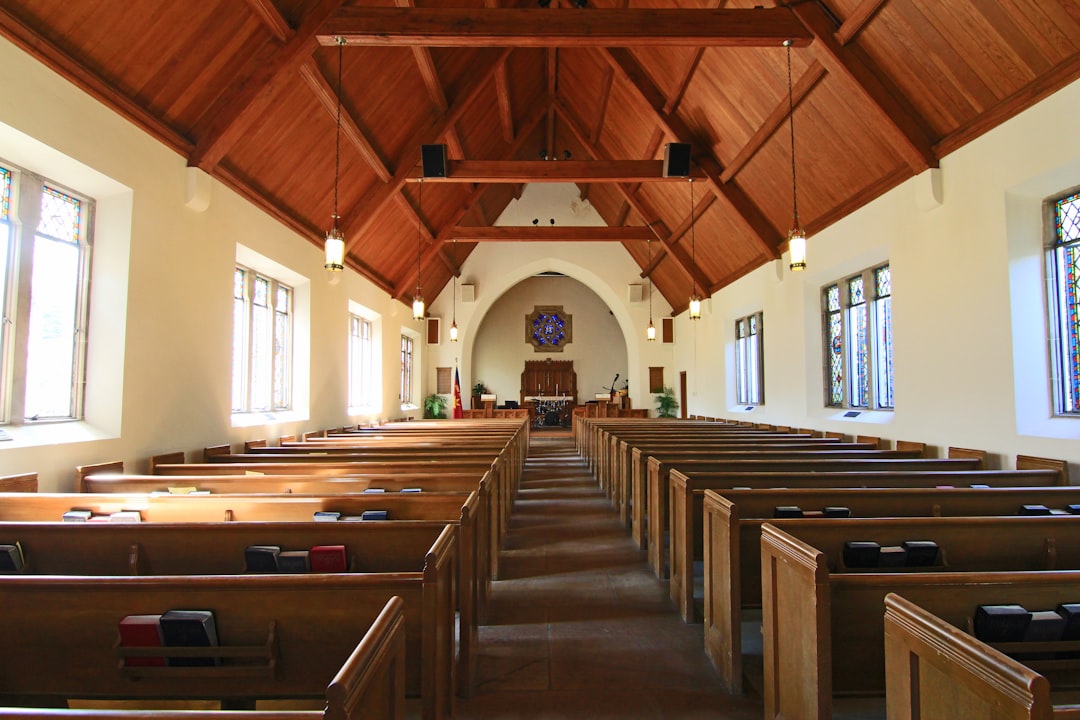
Seeking justice for clergy abuse is a complex process, and engaging the expertise of clergy abuse lawyers Kansas is an essential step towards healing and recompense. These legal professionals are well-versed in navigating the intricate web of religious institutions and state laws, providing a crucial support system for survivors. The impact of their work is profound; they help bring closure to victims by ensuring accountability and securing compensation for the suffering endured.
In Kansas, clergy abuse lawyers play a pivotal role in advocating for individuals who have experienced trauma within religious organizations. They understand the unique challenges faced by clients, including potential cultural barriers and sensitive natured topics. Through strategic legal actions, these attorneys can hold accountable those responsible for abuse, be it through settlements or trials. A significant aspect of their work involves thoroughly investigating each case, gathering evidence, and constructing compelling arguments to present before judges and juries.
For instance, a successful outcome in 2022 involved a Kansas-based clergy abuse lawyer who represented several clients in a high-profile case against a prominent church. The result was a substantial settlement, offering not only financial relief but also a public acknowledgment of the harm caused by the institution’s failure to protect its members. This victory set a precedent, encouraging more survivors to come forward and seek justice. Engaging such lawyers is an empowering step, ensuring that victims’ rights are respected and their stories are given the platform they deserve.